Tulum Holidays
Flexible Payments
Free cancellation on most hotels
ATOL Protected
Why Tulum?
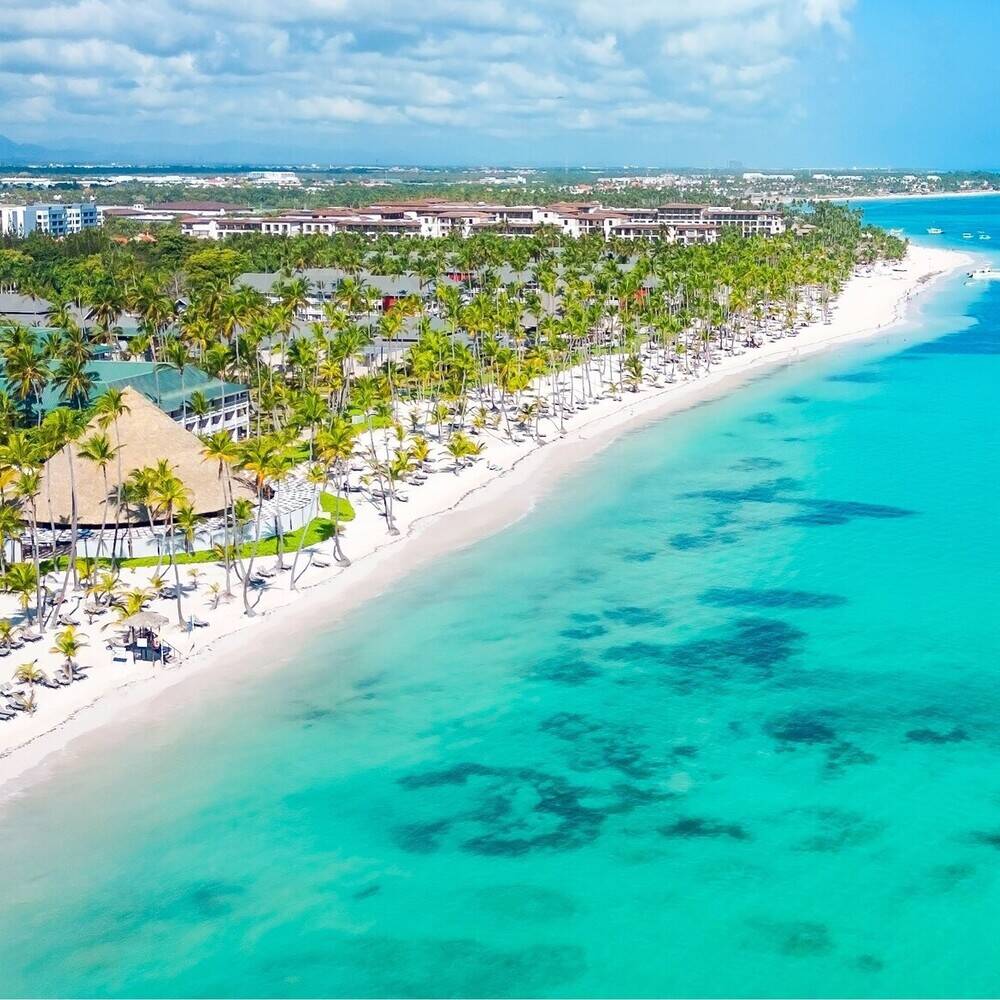
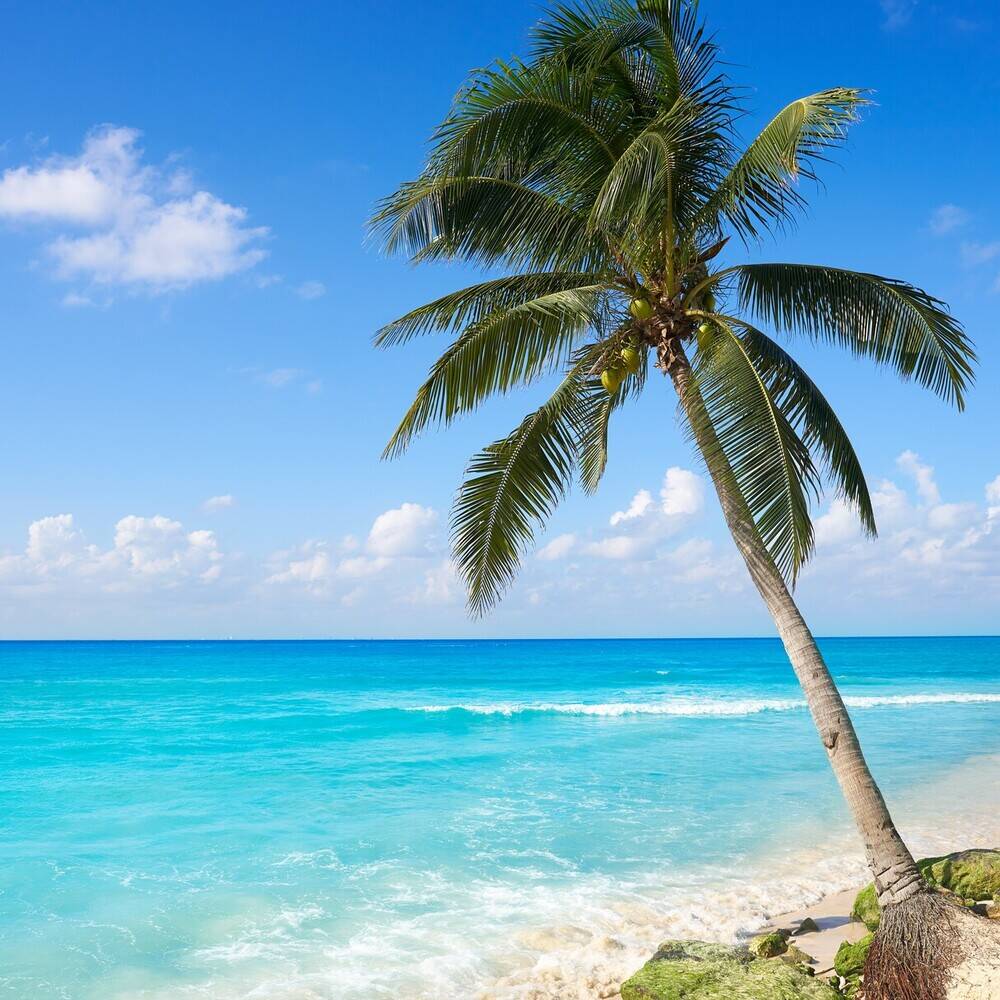
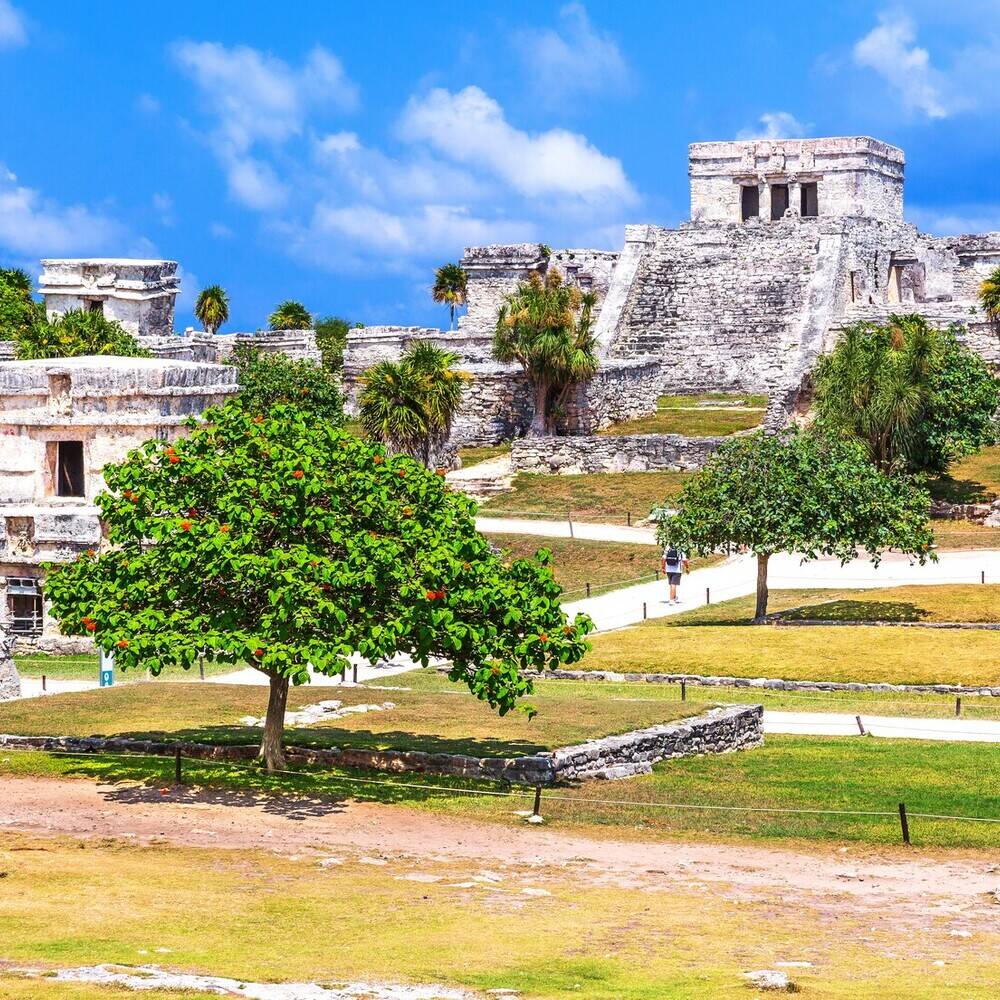
Tulum is a unique blend of natural beauty, rich history, and vibrant culture. Its stunning beaches, crystal-clear waters, and ancient Mayan ruins attract travelers seeking relaxation and adventure. The town offers a laid-back atmosphere, perfect for yoga retreats and wellness experiences. Tulum's eco-friendly resorts and restaurants emphasize sustainability, making it a favorite for environmentally conscious travelers. The nearby cenotes provide opportunities for swimming and snorkeling in natural pools, while the vibrant local art scene showcases the creativity of the region. Tulum's proximity to the Sian Ka'an Biosphere Reserve adds to its allure, offering a chance to explore diverse ecosystems and wildlife. Whether you're looking for relaxation, adventure, or cultural experiences, Tulum has something for everyone.
Key Info
Handy things to know before you go
Languages
Spanish, English, and Maya
Fun Facts
Tulum is home to some of the most stunning beaches and ancient Mayan ruins in Mexico!
Currency
Mexican Peso
Local time
6 hours behind
Hotels in Tulum
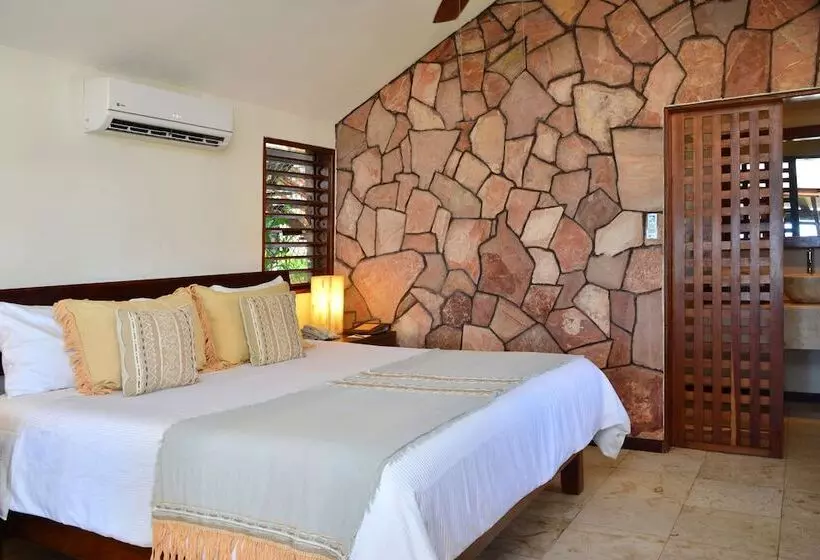
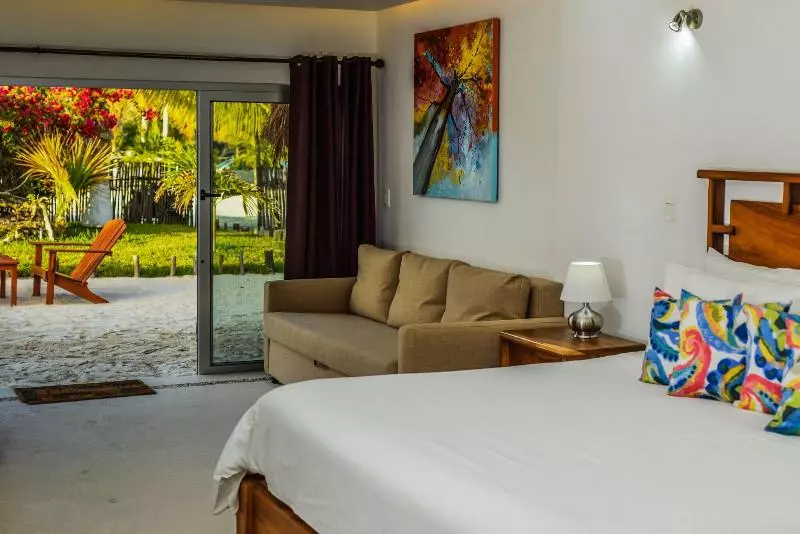
Browse a cracking selection of the most popular hotels in Tulum


Things to Do
Whether you're looking for a beach getaway or city break, Tulum has something to offer every discerning traveller
In Tulum, you can explore the ancient Mayan ruins overlooking the sea, relax on pristine beaches, and swim in cenotes. Enjoy snorkeling or diving in the coral reefs, visit the Sian Ka'an Biosphere Reserve for wildlife spotting, and indulge in delicious local cuisine at beachside restaurants. Participate in yoga classes or wellness retreats, shop at local artisan markets, and experience the vibrant nightlife. Don't miss the chance to take a bike ride through the town and along the coast, or join a guided tour to learn more about the area's history and ecology. Tulum offers a perfect blend of relaxation, adventure, and cultural experiences.
Frequently Asked Questions
What currency is used in Tulum?
The Mexican Peso is the official currency used throughout the country, including Tulum.
What language is spoken in Tulum?
Spanish is the official language, while English is widely spoken in tourist areas, and Maya reflects the indigenous heritage.
What’s the best way to travel around Tulum?
The best ways to travel to Tulum include flying into Cancun International Airport and taking a shuttle or renting a car for the 1.5 to 2-hour drive to Tulum.
Is Tulum religious?
Predominantly Roman Catholic, with some indigenous beliefs and practices.
When is the best time of year to visit Tulum?
The best time to visit Tulum is from November to April when the weather is warm and dry, perfect for beach activities and exploring the ruins. During this period, you can enjoy sunny days and pleasant evenings, making it ideal for outdoor adventures. However, be prepared for larger crowds as this is peak tourist season. If you prefer fewer tourists, consider visiting in late April or early May, when the weather is still favorable but the crowds have thinned out. Avoid the rainy season from June to October, as heavy rains can disrupt your plans.
Is Tulum a cheap holiday?
Tulum can be considered moderately priced, with options ranging from budget to luxury.
What is Tulum best known for?
Tulum is best known for its stunning coastal Mayan ruins, beautiful beaches, and eco-chic vibe. The archaeological site overlooks the Caribbean Sea, offering breathtaking views and a glimpse into the ancient Mayan civilization. Tulum has become a hotspot for wellness tourism, attracting visitors with its yoga retreats, holistic therapies, and organic dining options. The town's commitment to sustainability and eco-friendly practices has made it a leader in responsible tourism. Additionally, Tulum's cenotes, natural sinkholes filled with freshwater, provide unique swimming and snorkeling experiences. The vibrant local art scene and cultural festivals further enhance its reputation as a must-visit destination in Mexico.
How many days should you spend in Tulum?
Spending 4 to 7 days in Tulum is ideal to fully experience its beaches, ruins, and local culture.
Similar Destinations
If you like Tulum, you'll love these