Pula Holidays
Flexible Payments
Free cancellation on most hotels
ATOL Protected
Why Pula?
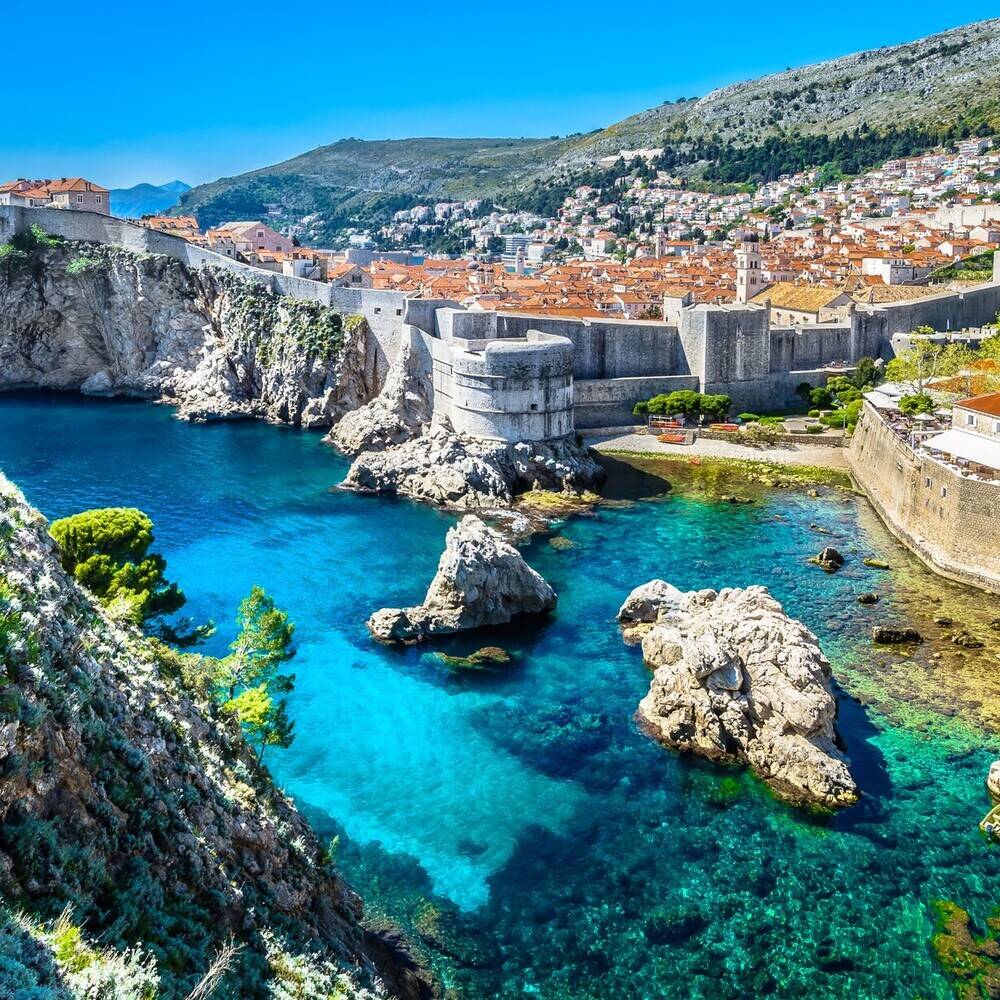
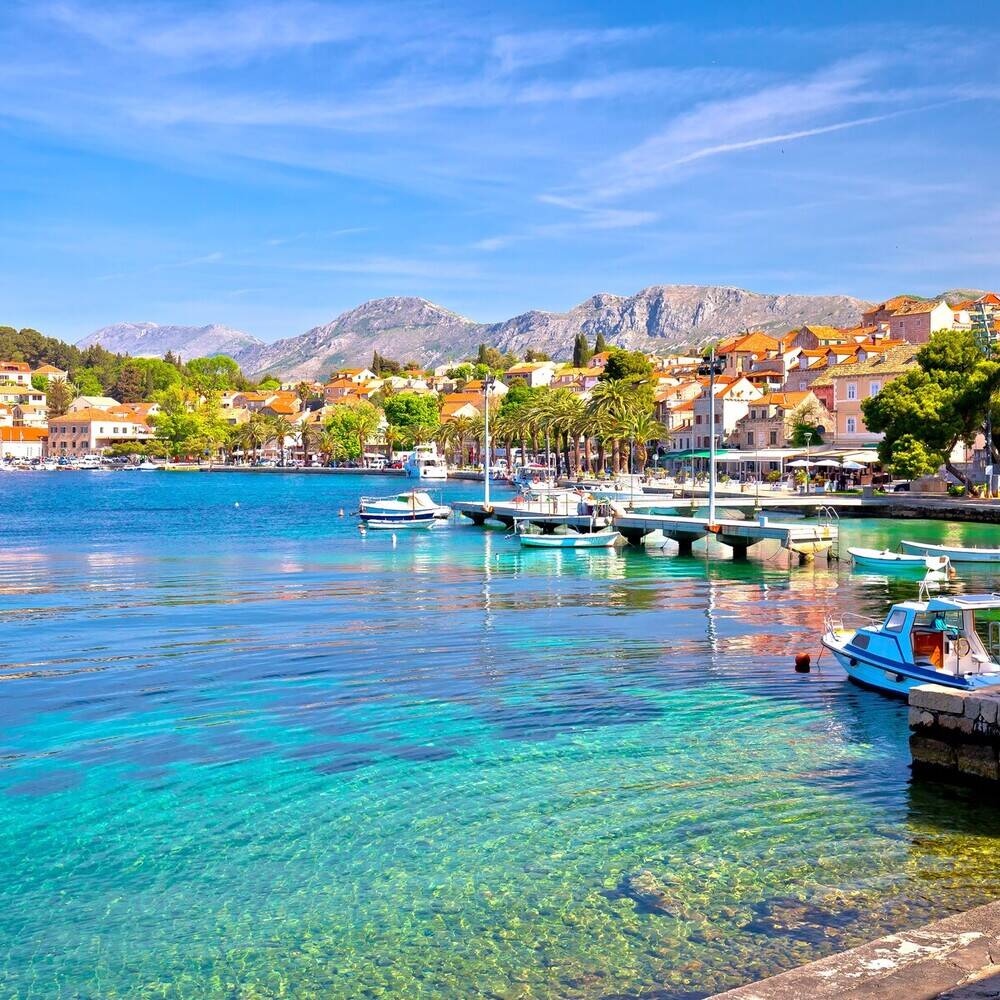
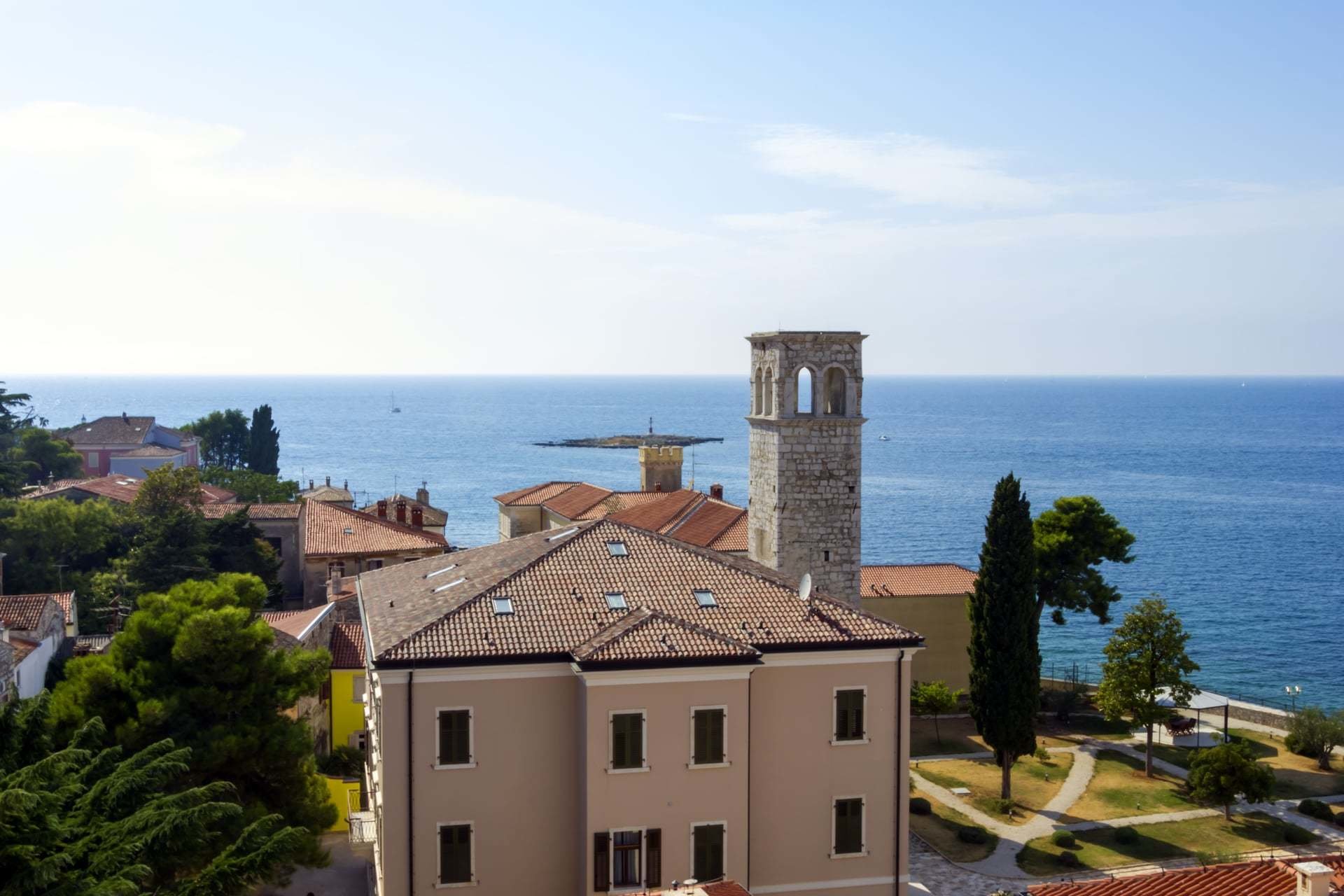
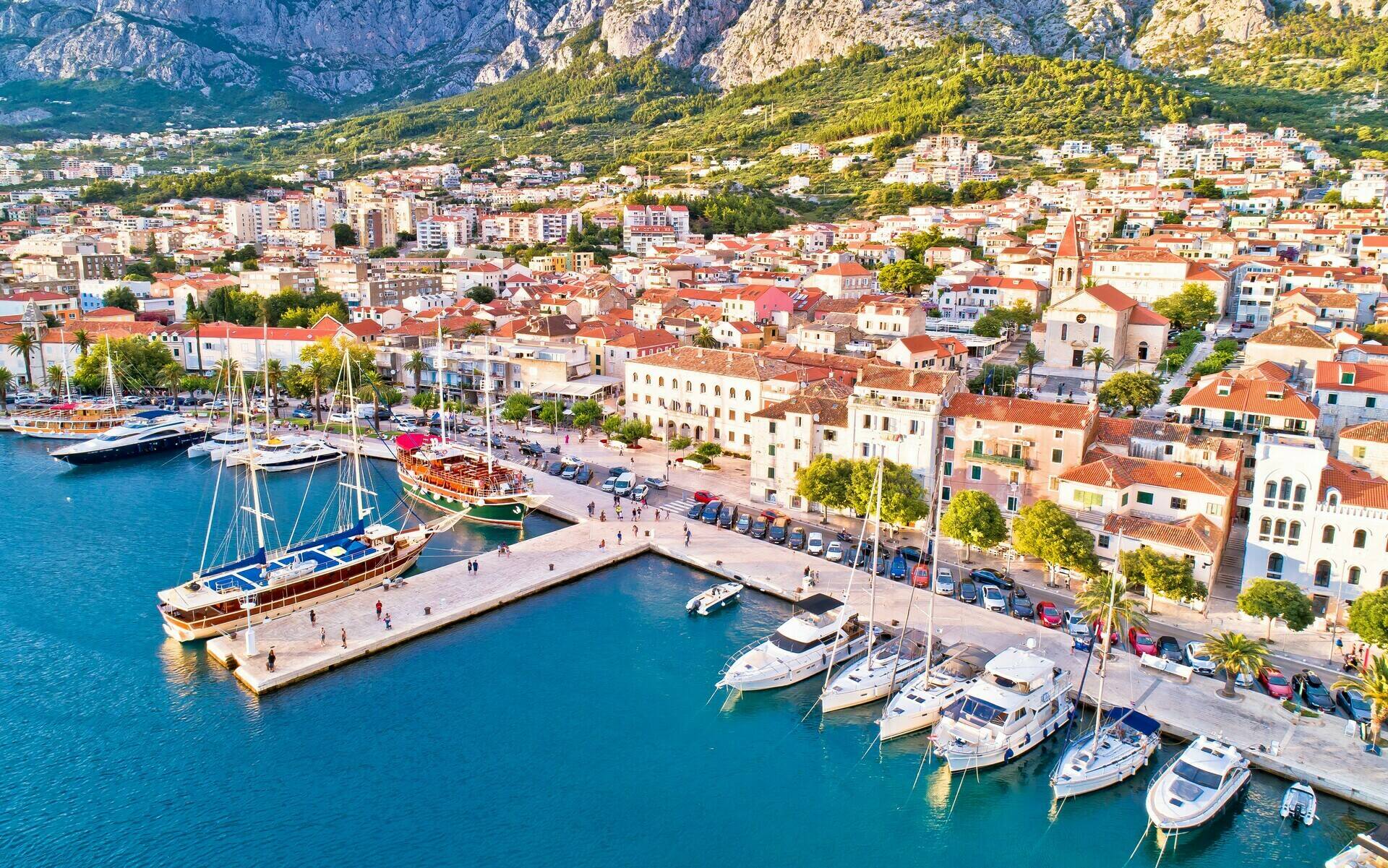
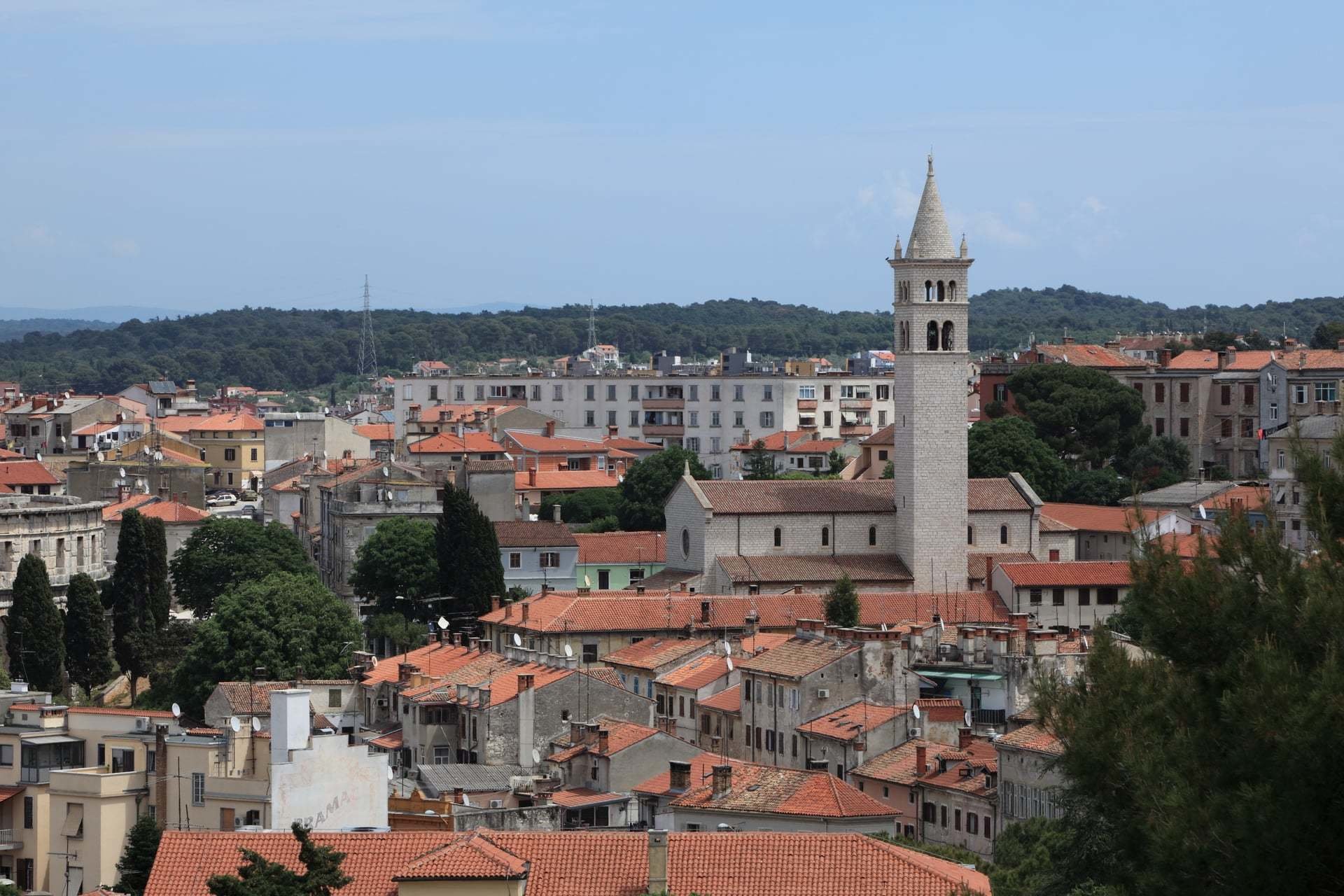
Pula is a captivating destination that offers a unique blend of history, culture, and natural beauty. Its rich Roman heritage is showcased through well-preserved monuments like the Arena, which attracts history enthusiasts. The stunning coastline, dotted with beautiful beaches and crystal-clear waters, makes it a paradise for sun-seekers and water sports lovers. Additionally, Pula's vibrant culinary scene, featuring fresh seafood and local wines, provides a delightful experience for foodies. The city's lively atmosphere, especially during summer festivals, adds to its charm, making it a perfect getaway for families, couples, and solo travelers alike.
Key Info
Handy things to know before you go
Languages
Croatian, Italian, English
Fun Facts
Pula is home to one of the best-preserved Roman amphitheaters in the world!
Currency
Croatian Kuna
Local time
1 hour ahead
Hotels in Pula
Browse a cracking selection of the most popular hotels in Pula
Things to Do
Whether you're looking for a beach getaway or city break, Pula has something to offer every discerning traveller
In Pula, visitors can explore the iconic Pula Arena, stroll through the charming old town with its Roman ruins, visit the Temple of Augustus, and relax on beautiful beaches like Punta Verudela. Outdoor enthusiasts can enjoy hiking in the nearby Brijuni National Park, while history buffs can delve into the city's rich past at the Archaeological Museum. The local food scene offers delicious seafood and traditional Croatian dishes, best enjoyed at seaside restaurants. Additionally, Pula hosts various festivals throughout the summer, providing a lively atmosphere filled with music, dance, and local crafts.
Frequently Asked Questions
What currency is used in Pula?
The currency used in Pula is the Croatian Kuna, which is essential for transactions in this region.
What language is spoken in Pula?
The most spoken languages in Pula are Croatian, the official language, followed by Italian due to historical ties, and English, commonly spoken by tourists.
What’s the best way to travel around Pula?
The best ways to travel to Pula include flying into Pula Airport, which has connections to major European cities, or driving along the scenic Adriatic coast.
Is Pula religious?
Predominantly Roman Catholic, with small communities of Orthodox Christians and other faiths.
When is the best time of year to visit Pula?
The best time to visit Pula is during the late spring and early autumn months, specifically from May to September. During this period, the weather is pleasantly warm, ideal for outdoor activities and sightseeing. The summer months, especially July and August, are vibrant with festivals and events, but can be crowded. Late spring offers blooming landscapes and fewer tourists, while early autumn provides a quieter experience with warm sea temperatures, perfect for swimming and enjoying the beautiful beaches.
Is Pula a cheap holiday?
Pula is generally considered affordable compared to other European tourist destinations.
What is Pula best known for?
Pula is best known for its remarkable Roman architecture, particularly the Pula Arena, which is one of the largest and best-preserved Roman amphitheaters in the world. This ancient structure, dating back to the 1st century AD, is a testament to the city's rich history and attracts thousands of visitors each year. Additionally, Pula's stunning coastal scenery, with its picturesque beaches and clear blue waters, makes it a popular destination for summer vacations. The city's vibrant cultural scene, including film festivals and music events held in historical venues, further enhances its reputation as a must-visit location in Croatia.
How many days should you spend in Pula?
It is recommended to spend at least 3 to 5 days in Pula to fully explore its historical sites, enjoy the beaches, and experience local culture.
Similar Destinations
If you like Pula, you'll love these